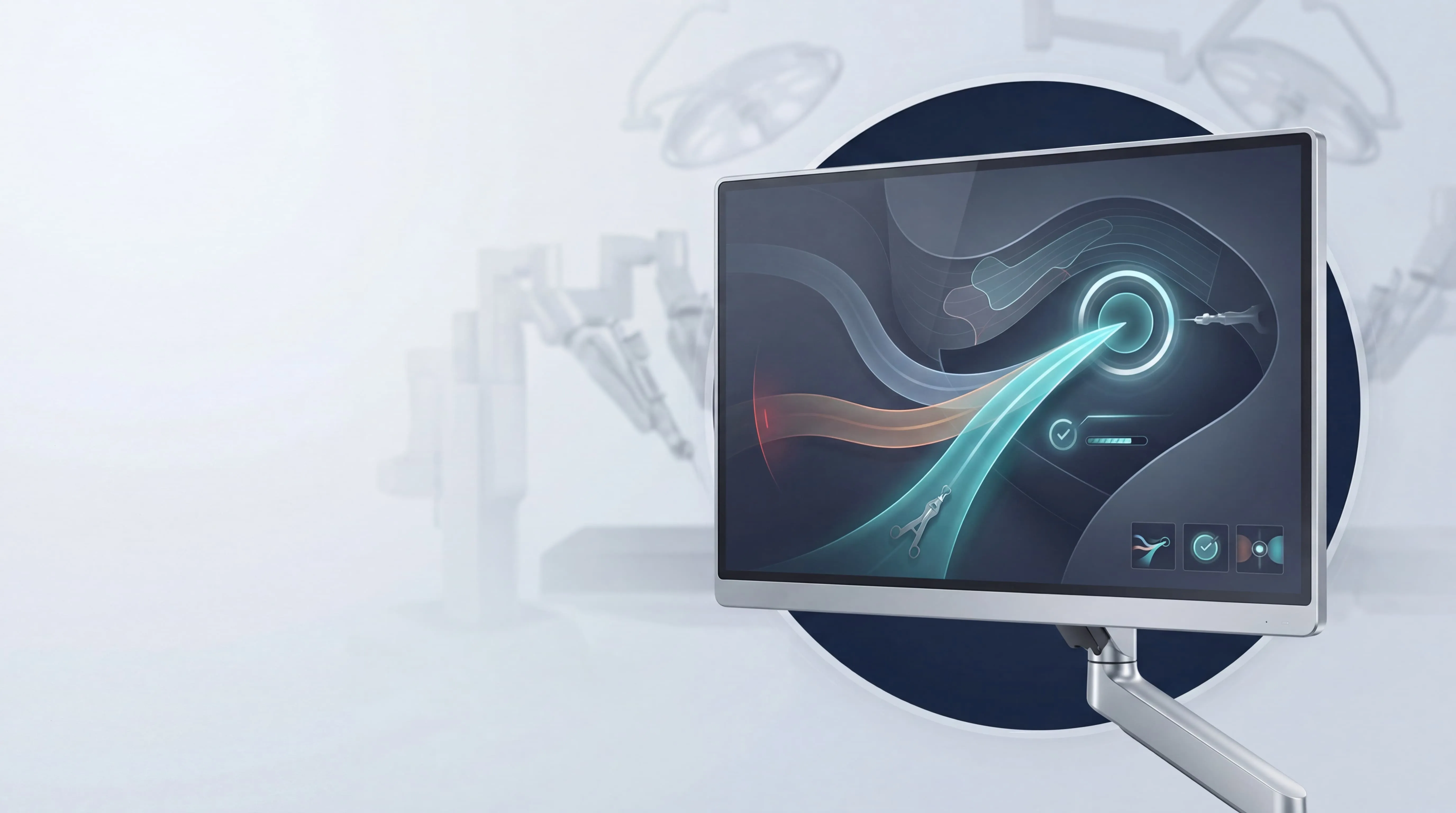
CardioVis AI Copilot
Learning Curve Compression
Turn every case into tomorrow's training material
Turn every case into tomorrow's training material
CardioVis turns routine operative video into objective scoring, targeted coaching cues, and longitudinal learning signals without adding work to the OR team.
Case events are indexed without manual tagging.
Technique and pacing are scored against benchmark ranges.
Multi-case trends expose improvement and plateaus early.
After each case, CardioVis compiles an AI-generated debrief report that combines quantitative scores, annotated video clips, and contextual commentary into a single document the surgeon can review asynchronously.
A per-case scorecard covering instrument economy, path efficiency, tissue handling, and procedural pacing — each scored against expert benchmarks and the surgeon's own historical average.
Frame-accurate clips of key moments — hesitations, deviations, exemplary technique — are extracted and labelled with AI commentary, making it easy to jump to the most instructive segments.
Longitudinal skill-progression charts plot each metric across the surgeon's full case history, showing improvement trajectories, plateaus, and comparison bands for expert and peer performance.
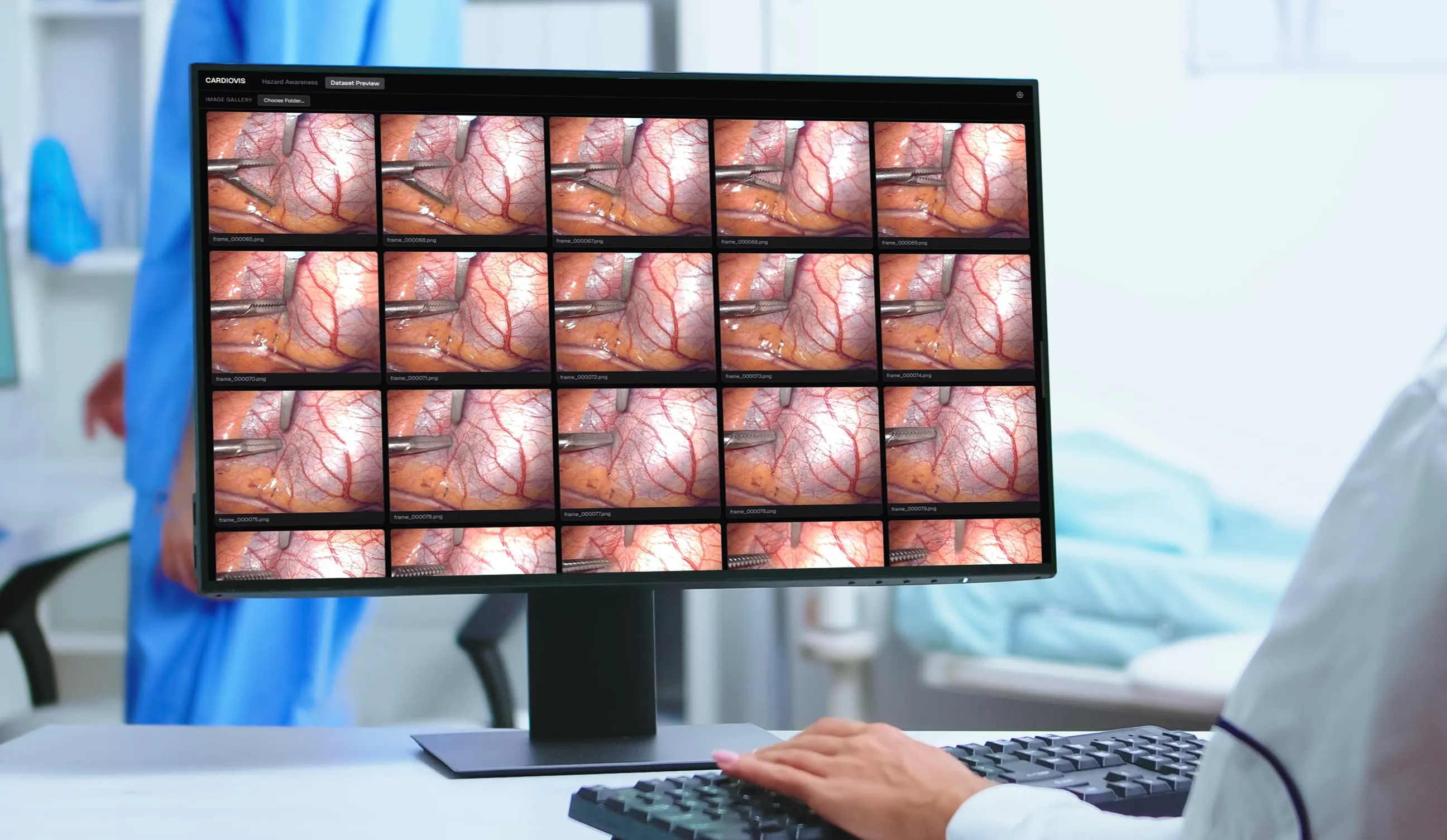
Every CardioVis Learning Curve Compression capability is built on recorded surgical video. As the case library grows, so does the system's ability to refine benchmarks, personalise feedback, and unlock future capabilities.
Automatic phase segmentation from video for timing analytics
Frame-level instrument identification for economy metrics
Tissue and structure mapping for technique quality scoring
Anatomical landmark recognition for safety-aware benchmarking